

Paralysis Stroke Treatment: Expert Neurological Care by Dr. Iqbal Singh in Chandigarh
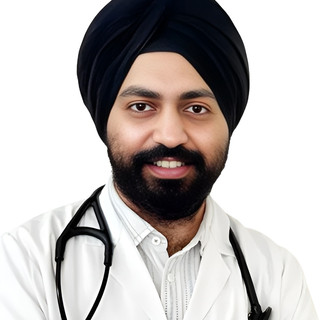

A stroke is one of the leading causes of paralysis and long-term disability worldwide. It occurs when the blood supply to the brain is interrupted, depriving brain cells of oxygen and nutrients. Without immediate medical attention, permanent brain damage can occur, affecting movement, speech, memory, and overall quality of life. Timely paralysis stroke treatment plays a crucial role in improving recovery and helping patients regain independence.
If you or a loved one is recovering from a stroke, consulting a Trusted Brain and Spine Specialist in Chandigarh is essential for comprehensive neurological evaluation and rehabilitation. Dr. Iqbal Singh, a renowned Neurology Specialist in Chandigarh, provides advanced diagnosis, personalized treatment plans, and long-term rehabilitation support for patients affected by stroke and paralysis.
What Is a Stroke?
A stroke occurs when the blood flow to a part of the brain is blocked or when a blood vessel in the brain ruptures. Brain cells begin to die within minutes due to a lack of oxygen, making immediate medical care critical.
The two main types of stroke are:
Ischemic Stroke
This is the most common type of stroke and occurs when a blood clot blocks an artery supplying blood to the brain.
Hemorrhagic Stroke
This type occurs when a blood vessel in the brain bursts, causing bleeding within or around the brain.
Both types require urgent medical attention to minimize brain damage and improve recovery.
Understanding Stroke Paralysis
Paralysis is a common complication of stroke and may affect one side of the body (hemiplegia or hemiparesis). The severity depends on the location and extent of brain damage.
Patients may experience:
Weakness in the arms or legs
Difficulty walking
Loss of coordination
Muscle stiffness
Reduced balance
Difficulty performing daily activities
Early rehabilitation significantly improves the chances of recovery.
Symptoms of Stroke
Recognizing stroke symptoms quickly can save lives. Seek emergency medical care if you notice:
Sudden weakness or numbness on one side of the body
Facial drooping
Difficulty speaking or understanding speech
Sudden vision problems
Loss of balance or coordination
Severe headache without a known cause
Confusion or dizziness
Remember the FAST warning signs:
F – Face drooping
A – Arm weakness
S – Speech difficulty
T – Time to call emergency medical services
Causes and Risk Factors
Several factors increase the risk of stroke, including:
High blood pressure
Diabetes
High cholesterol
Smoking
Obesity
Heart disease
Irregular heartbeat (atrial fibrillation)
Family history of stroke
Lack of physical activity
Managing these risk factors can reduce the likelihood of experiencing a stroke.
Importance of Early Paralysis Stroke Treatment
Prompt treatment improves the chances of recovery and reduces long-term complications.
Benefits of early intervention include:
Reduced brain damage
Better muscle recovery
Improved mobility
Enhanced speech recovery
Better cognitive function
Greater independence
Lower risk of recurrent stroke
Rehabilitation should begin as early as medically appropriate.
Paralysis Stroke Treatment by Dr. Iqbal Singh
Dr. Iqbal Singh provides comprehensive stroke care focused on restoring function and improving quality of life.
Treatment begins with a detailed neurological assessment, including:
Medical history review
Neurological examination
Brain imaging (when required)
Functional assessment
Evaluation of speech, movement, and cognition
Based on the findings, a personalized treatment and rehabilitation plan is developed.
Rehabilitation After Stroke
Recovery from stroke often requires a multidisciplinary rehabilitation approach.
Physical Therapy
Physical therapy helps patients:
Improve strength
Restore mobility
Improve balance
Reduce muscle stiffness
Regain walking ability
Occupational Therapy
Occupational therapy focuses on helping patients regain independence in daily activities such as dressing, eating, and personal care.
Speech and Language Therapy
Patients with speech or swallowing difficulties benefit from specialized therapy that improves communication and swallowing function.
Cognitive Rehabilitation
Stroke can affect memory, attention, and problem-solving skills. Cognitive rehabilitation helps improve these functions through structured exercises and therapy.
Why Choose Dr. Iqbal Singh?
Patients trust Dr. Iqbal Singh for compassionate, evidence-based neurological care.
Key strengths include:
Extensive experience in neurology
Personalized treatment plans
Comprehensive stroke rehabilitation
Advanced neurological evaluation
Patient-centered care
Long-term follow-up
Focus on improving functional recovery
Every patient receives individualized care tailored to their specific neurological condition and recovery goals.
Trusted Brain and Spine Specialist in Chandigarh
Neurological disorders often involve the brain, spinal cord, and nervous system. As a Trusted Brain and Spine Specialist in Chandigarh, Dr. Iqbal Singh provides diagnosis and treatment for a wide range of conditions, including:
Stroke
Paralysis
Parkinson's disease
Epilepsy
Memory disorders
Neuropathy
Headaches and migraines
Movement disorders
Spinal cord disorders
A comprehensive approach ensures patients receive accurate diagnosis and coordinated care.
Neurology Specialist in Chandigarh
As an experienced Neurology Specialist in Chandigarh, Dr. Iqbal Singh emphasizes early diagnosis, personalized treatment, and long-term management.
Patients receive:
Detailed neurological evaluation
Individualized treatment strategies
Rehabilitation planning
Preventive care guidance
Regular follow-up monitoring
This holistic approach supports better recovery and improved long-term outcomes.
Tips for Stroke Prevention
While not all strokes can be prevented, healthy lifestyle habits can significantly reduce the risk.
Helpful preventive measures include:
Control blood pressure.
Manage diabetes effectively.
Maintain healthy cholesterol levels.
Exercise regularly.
Eat a balanced diet.
Avoid smoking.
Limit alcohol consumption.
Attend regular health check-ups.
When Should You Consult a Neurologist?
Seek neurological consultation if you experience:
Sudden weakness or paralysis
Difficulty speaking
Persistent numbness
Balance problems
Memory changes after a stroke
Frequent dizziness
Vision disturbances
Recurrent headaches with neurological symptoms
Early evaluation improves treatment outcomes and supports faster recovery.
Conclusion
Stroke-related paralysis can significantly affect daily life, but early diagnosis, prompt treatment, and comprehensive rehabilitation can greatly improve recovery. Choosing expert paralysis stroke treatment ensures patients receive specialized neurological care tailored to their individual needs.
As a Trusted Brain and Spine Specialist in Chandigarh and experienced Neurology Specialist in Chandigarh, Dr. Iqbal Singh provides advanced stroke diagnosis, personalized rehabilitation plans, and long-term neurological care. His patient-centered approach focuses on restoring movement, improving independence, and enhancing overall quality of life.
If you or a loved one has experienced a stroke or symptoms of paralysis, consulting an experienced neurologist at the earliest opportunity can make a meaningful difference in recovery.
Frequently Asked Questions (FAQs)
1. What is paralysis after a stroke?
Paralysis occurs when a stroke damages areas of the brain responsible for movement, leading to weakness or loss of movement on one side of the body.
2. Can paralysis improve after a stroke?
Many patients experience improvement through early rehabilitation, physical therapy, occupational therapy, and ongoing neurological care. Recovery varies depending on the severity and location of the stroke.
3. What treatments are included in paralysis stroke treatment?
Treatment may include emergency stroke care, medications, physical therapy, occupational therapy, speech therapy, cognitive rehabilitation, and long-term follow-up.
4. Why choose Dr. Iqbal Singh for stroke care?
Dr. Iqbal Singh offers personalized neurological evaluation, comprehensive stroke rehabilitation, and long-term management to help patients maximize recovery and improve quality of life.
5. When should I seek emergency care for a stroke?
Seek immediate emergency medical attention if you notice facial drooping, arm weakness, speech difficulty, sudden vision changes, or severe dizziness. Early treatment is critical.


Comments