

Stroke Paralysis Recovery: Treatment Options in 2026

A stroke can change a person’s life within minutes. It may cause weakness in the arms or legs, difficulty walking, slurred speech, or loss of movement on one side of the body. However, timely medical treatment and a personalised rehabilitation plan can help many stroke survivors regain movement and improve their independence.
Understanding paralysis stroke treatment can help patients and families make informed decisions about recovery. Treatment depends on the type of stroke, the area of the brain affected, the severity of the injury, and the patient’s overall health.
In 2026, stroke care focuses on emergency treatment, rehabilitation, prevention of another stroke, and long-term support. Early medical attention is essential because some treatments are time-sensitive.
What Is Stroke Paralysis?
Stroke paralysis occurs when damage to the brain affects its ability to control movement. A stroke happens when blood flow to part of the brain is blocked or when a blood vessel breaks and causes bleeding.
Brain cells need a steady supply of oxygen. When blood flow is interrupted, these cells may become damaged, affecting movement, balance, coordination, speech, and other functions.
Stroke-related movement problems may include:
Hemiparesis: Weakness on one side of the body.
Hemiplegia: Severe or complete loss of movement on one side of the body.
Difficulty standing, walking, or maintaining balance.
Weakness or numbness in the face, arm, or leg.
Problems with speech, understanding, or daily activities.
When Is a Stroke an Emergency?
A stroke is a medical emergency. Sudden facial drooping, arm weakness, speech difficulty, loss of balance, or vision changes require immediate emergency assessment.
Do not wait for symptoms to improve. Note the time symptoms began, or the last time the person was known to be well, and share this information with emergency medical staff.
Paralysis Stroke Treatment: Emergency Options in 2026
The first goal of stroke treatment is to identify the type of stroke and provide the right care as quickly as possible. Doctors commonly use a CT scan or MRI of the brain to help determine whether a stroke is caused by a blockage or bleeding.
These two types of stroke require different treatments.
1. Clot-Dissolving Medicines
An ischemic stroke occurs when a blood clot blocks blood flow to the brain. Eligible patients may receive clot-dissolving medicines, such as alteplase or tenecteplase, according to clinical criteria and local protocols.
For selected patients, treatment may be possible within 4.5 hours after symptoms begin. Eligibility depends on factors such as symptom timing, medical history, and brain imaging.
Important: Only a qualified stroke team can determine whether this treatment is appropriate. Patients should reach emergency care as quickly as possible.
2. Mechanical Thrombectomy
Mechanical thrombectomy is a procedure that removes a clot from a large artery supplying the brain. A specialist guides a catheter through a blood vessel to reach and remove the clot.
For eligible patients, thrombectomy may be performed within the first several hours after a stroke. Some patients may qualify for treatment up to 24 hours after they were last known well, depending on imaging and clinical findings.
The aim is to restore blood flow and reduce further brain injury.
3. Treatment for Hemorrhagic Stroke
A hemorrhagic stroke occurs when a blood vessel breaks and causes bleeding in or around the brain.
Treatment may include carefully managing blood pressure, reversing the effects of certain blood-thinning medicines, controlling pressure inside the skull, and performing surgery or another procedure when needed.
The treatment plan depends on the location and severity of the bleeding and the patient’s condition.
Stroke Rehabilitation: A Key Part of Recovery
Emergency treatment can help limit brain damage, but rehabilitation plays an important role in helping patients regain movement and daily living skills.
Recovery varies from person to person. Some patients improve within weeks, while others need months or longer. Rehabilitation should begin when the treating medical team considers it safe.
1. Physiotherapy for Movement and Strength
Physiotherapy helps patients work on muscle strength, flexibility, balance, coordination, and walking ability.
Depending on their condition, patients may practise sitting safely, standing, transferring between a bed and chair, or moving their affected arm or leg.
Exercises should be guided by a qualified physiotherapist and adjusted as the patient’s abilities change.
2. Occupational Therapy for Daily Activities
Stroke can make everyday tasks difficult, including dressing, eating, bathing, writing, and using household objects.
Occupational therapy helps patients practise these activities and develop practical ways to manage them. Assistive devices and home adjustments may also help reduce falls and improve independence.
3. Speech and Swallowing Therapy
Some stroke survivors have difficulty speaking, understanding language, or swallowing safely.
Speech and language therapy can help address communication difficulties. A swallowing assessment is important when a patient coughs during meals, has trouble swallowing, or shows other signs of swallowing difficulty.
Do not give food, drink, or oral medicines to someone who cannot swallow safely. Follow the medical team’s instructions to reduce the risk of food or liquid entering the lungs.
4. Emotional and Family Support
Stroke recovery can be physically and emotionally challenging. Patients may experience frustration, anxiety, low mood, or reduced confidence.
Family support, counselling when needed, and realistic recovery goals can help patients cope with these challenges. Caregivers should also receive guidance on safe movement, daily care, and preventing falls.
Can Stroke Paralysis Be Reversed?
Many stroke survivors regain some movement or function, but complete recovery cannot be guaranteed. Recovery depends on the size and location of the stroke, how quickly treatment began, other health conditions, and the rehabilitation programme.
The brain has some ability to adapt and reorganise connections. This process is called neuroplasticity. Rehabilitation helps patients practise skills and work towards functional goals as recovery progresses.
Consistent therapy, appropriate medical care, good nutrition, and management of stroke risk factors can support recovery. Be cautious of products or treatments that promise a complete cure or immediate restoration of movement.
Even when full recovery is not possible, treatment may improve mobility, comfort, communication, and independence.
Why Neurological Follow-Up Matters
Regular follow-up helps the medical team monitor progress, address complications, adjust treatment, and reduce the risk of another stroke.
Depending on the patient’s needs, follow-up may include:
Reviewing prescribed medicines.
Monitoring blood pressure, blood sugar, and cholesterol.
Checking progress with physiotherapy and other rehabilitation.
Assessing new or ongoing neurological symptoms.
Supporting healthy lifestyle changes.
Some patients may also need assessment for other neurological concerns. For example, Seizures & Epilepsy may require specialist evaluation if seizure-like episodes occur after a stroke.
People with recurring headaches may need assessment by a Neurologist in Chandigarh for Migraine. Those with persistent sleep problems may benefit from evaluation at a sleep disorders clinic in Chandigarh, depending on their symptoms.
These conditions require different assessments, so patients should seek care appropriate to their individual needs.
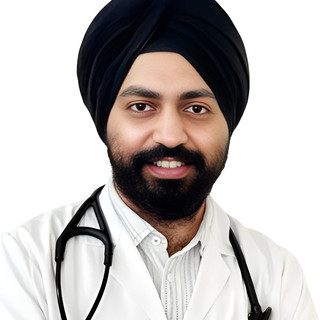
Dr. Iqbal Singh is a neurologist whose qualifications include MBBS, MD in Internal Medicine, and DM in Neurology. Patients seeking neurological assessment in Chandigarh can review his services and discuss their symptoms, treatment needs, and follow-up plan with a qualified medical professional.
How to Reduce the Risk of Another Stroke
Preventing another stroke is an important part of long-term care. Patients should follow their prescribed treatment plan and attend regular medical appointments.
Helpful steps may include:
Keeping blood pressure within the target range recommended by a doctor.
Managing diabetes and cholesterol.
Taking prescribed medicines as directed.
Avoiding smoking.
Limiting alcohol or avoiding it when medically advised.
Eating a balanced diet rich in vegetables, fruits, and whole grains.
Staying physically active according to medical advice.
Maintaining a healthy weight and getting adequate sleep.
Do not start, stop, or change aspirin, blood thinners, or other prescribed medicines without medical guidance.
Frequently Asked Questions
1. How long does stroke paralysis recovery take?
Recovery may take weeks, months, or longer. The timeline depends on the severity of the stroke, the functions affected, overall health, and response to rehabilitation.
2. What is the best treatment for stroke paralysis?
There is no single treatment for everyone. Emergency stroke care, appropriate medicines or procedures, physiotherapy, occupational therapy, and other rehabilitation services may be part of an individual treatment plan.
3. Can a stroke patient walk again?
Many stroke survivors regain some walking ability with rehabilitation. Results vary depending on muscle strength, balance, coordination, and the extent of brain injury.
4. Is physiotherapy important after a stroke?
Yes. When the medical team considers it safe, supervised rehabilitation helps patients practise movement and work towards daily activities and functional goals.
5. Can stroke paralysis return after recovery?
New or sudden weakness may indicate another stroke or a different medical emergency. Seek emergency care immediately if sudden neurological symptoms occur, even if they resemble an earlier stroke.
6. Can stroke paralysis be treated at home?
Home exercises and rehabilitation may be part of a recovery plan, but they should follow guidance from the treating team. A suspected new stroke requires emergency medical care, not home treatment.
7. How can another stroke be prevented?
Risk reduction may include taking prescribed medicines, controlling blood pressure and diabetes, managing cholesterol, avoiding smoking, maintaining healthy habits, and attending regular medical follow-ups.
Conclusion
Stroke paralysis recovery requires timely emergency treatment, personalised rehabilitation, and ongoing medical care. Treatment options in 2026 may include clot-dissolving medicines or mechanical thrombectomy for eligible patients, alongside rehabilitation and measures to prevent another stroke.
The right paralysis stroke treatment depends on each patient’s condition, medical history, and recovery goals. Early assessment, supervised therapy, and careful management of risk factors can help support better long-term outcomes.
Patients and families should work closely with qualified healthcare professionals to understand the available options and build a realistic recovery plan.


Comments