

Expert Care for Parkinson’s: Advanced Treatment, Stroke Care, and Memory Health with Dr. Iqbal Singh
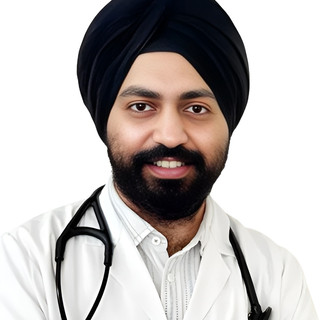

Parkinson's disease is a progressive neurological disorder that affects movement, balance, coordination, and overall quality of life. While it primarily impacts motor functions, many patients also experience non-motor symptoms such as sleep disturbances, depression, anxiety, and cognitive changes. Early diagnosis and expert management can significantly improve daily functioning and slow the progression of symptoms.
If you are looking for Expert Care for Parkinson’s, timely consultation with an experienced neurologist is essential. Dr. Iqbal Singh provides comprehensive neurological care, offering personalized treatment plans for Parkinson's disease while also addressing related neurological conditions such as Memory Loss & More and providing Expert Care for Stroke. With a patient-centered approach and evidence-based treatment, Dr. Iqbal Singh helps patients maintain independence and improve their quality of life.
What Is Parkinson's Disease?
Parkinson's disease is a chronic neurological condition caused by the gradual loss of dopamine-producing nerve cells in the brain. Dopamine is responsible for controlling smooth and coordinated body movements. As dopamine levels decrease, movement becomes slower and less controlled.
Although Parkinson's disease commonly affects older adults, it can also occur in younger individuals.
Common Symptoms of Parkinson's Disease
Symptoms usually develop gradually and may vary from person to person.
Motor Symptoms
Tremors, especially in the hands
Slowed movement (Bradykinesia)
Muscle stiffness
Balance and coordination problems
Shuffling walk
Reduced facial expressions
Difficulty writing
Non-Motor Symptoms
Sleep disturbances
Depression and anxiety
Constipation
Reduced sense of smell
Fatigue
Memory changes
Difficulty concentrating
Recognizing these symptoms early allows for timely medical intervention.
Causes and Risk Factors
The exact cause of Parkinson's disease remains unknown, but several factors may contribute, including:
Increasing age
Family history
Genetic factors
Environmental exposures
Certain neurological changes
Although Parkinson's cannot currently be cured, early treatment helps manage symptoms effectively.
Why Early Diagnosis Matters
Early diagnosis offers several benefits, including:
Better symptom control
Improved mobility
Slower functional decline
Enhanced quality of life
Reduced risk of complications
Better long-term treatment planning
Consulting an experienced neurologist at the first signs of symptoms can improve long-term outcomes.
Expert Care for Parkinson’s by Dr. Iqbal Singh
Dr. Iqbal Singh provides comprehensive evaluation and individualized treatment for Parkinson's disease.
Treatment begins with:
Detailed neurological examination
Medical history review
Physical assessment
Cognitive evaluation
Functional assessment
Each patient receives a customized treatment plan based on their symptoms, lifestyle, and overall health.
Treatment Options for Parkinson's Disease
Management focuses on improving symptoms and maintaining independence.
Medication Management
Medications may help improve movement, reduce stiffness, and control tremors. Treatment is carefully adjusted based on individual needs and regular follow-up.
Physical Therapy
Physical therapy helps improve:
Balance
Mobility
Flexibility
Walking ability
Muscle strength
Occupational Therapy
Occupational therapy assists patients in maintaining independence in daily activities.
Speech and Swallowing Therapy
Some individuals experience changes in speech or swallowing. Therapy can improve communication and reduce swallowing difficulties.
Lifestyle Modifications
Healthy lifestyle habits may support overall well-being, including:
Regular exercise
Balanced nutrition
Good sleep hygiene
Stress management
Social engagement
Memory Loss & More: Comprehensive Cognitive Care
Many neurological conditions, including Parkinson's disease, can affect memory and thinking abilities. Memory Loss & More includes evaluation and management of:
Mild cognitive impairment
Memory difficulties
Dementia
Alzheimer's disease
Attention and concentration issues
Early assessment can help identify the cause of memory changes and guide appropriate treatment.
Expert Care for Stroke
Stroke is a medical emergency that requires immediate evaluation and treatment. Early recognition and rehabilitation can greatly improve recovery.
Common warning signs include:
Sudden weakness on one side of the body
Difficulty speaking
Facial drooping
Vision problems
Loss of balance
Sudden severe headache
Dr. Iqbal Singh provides Expert Care for Stroke, including neurological evaluation, rehabilitation planning, and long-term management to support recovery and reduce the risk of future strokes.
Conditions Treated by Dr. Iqbal Singh
In addition to Parkinson's disease, Dr. Iqbal Singh manages a wide range of neurological conditions, including:
Parkinson's disease
Stroke
Memory disorders
Epilepsy
Headaches and migraines
Neuropathy
Movement disorders
Tremors
Balance disorders
A comprehensive approach ensures patients receive accurate diagnosis and personalized care.
Why Choose Dr. Iqbal Singh?
Patients trust Dr. Iqbal Singh because of his commitment to compassionate, evidence-based neurological care.
Key strengths include:
Extensive experience in neurology
Personalized treatment plans
Comprehensive neurological evaluations
Advanced diagnostic approach
Patient-focused care
Long-term follow-up and support
The goal is to help every patient achieve better neurological health and an improved quality of life.
Tips for Maintaining Brain Health
Supporting brain health can complement medical treatment.
Helpful habits include:
Stay physically active.
Eat a balanced diet.
Get adequate sleep.
Keep your mind engaged with reading and puzzles.
Manage blood pressure and diabetes.
Avoid smoking.
Limit alcohol intake.
Attend regular medical check-ups.
When Should You See a Neurologist?
Seek medical advice if you experience:
Persistent tremors
Slowed movement
Muscle stiffness
Memory problems
Difficulty walking
Sudden weakness
Speech difficulties
Balance issues
Early neurological evaluation can lead to timely diagnosis and better treatment outcomes.
Conclusion
Parkinson's disease and other neurological conditions require specialized care to maintain independence and improve quality of life. Choosing Expert Care for Parkinson’s ensures access to accurate diagnosis, individualized treatment, and long-term support.
Dr. Iqbal Singh offers comprehensive neurological care, addressing Parkinson's disease, Memory Loss & More, and Expert Care for Stroke through evidence-based treatment and compassionate patient care. With early intervention and personalized management, patients can better manage symptoms and continue living active, fulfilling lives.
If you or a loved one is experiencing symptoms of Parkinson's disease, memory problems, or stroke-related concerns, consulting an experienced neurologist is an important step toward better neurological health.
Frequently Asked Questions (FAQs)
1. What are the early symptoms of Parkinson's disease?
Common early symptoms include hand tremors, slow movements, muscle stiffness, balance problems, reduced facial expressions, and changes in handwriting.
2. Can Parkinson's disease be cured?
There is currently no cure for Parkinson's disease, but medications, therapy, and lifestyle modifications can effectively manage symptoms and improve quality of life.
3. Does Parkinson's disease affect memory?
Some individuals may experience memory and cognitive changes as the disease progresses. Early evaluation helps identify appropriate treatment strategies.
4. What should I do if I notice stroke symptoms?
Stroke is a medical emergency. Seek immediate medical attention if you notice sudden weakness, facial drooping, speech difficulty, or vision changes.
5. Why choose Dr. Iqbal Singh for neurological care?
Dr. Iqbal Singh provides comprehensive diagnosis and personalized treatment for Parkinson's disease, memory disorders, stroke, and other neurological conditions, focusing on long-term patient care and improved quality of life.


Comments